
 Camera
  Display
  Battery
  Smartphone
  Security
  DSLR & Mirrorless
  Tv Screens
  Automotive
  Medical
  3D Camera
  Industrial Vision
  Computing
  AR / VR
  Drone & Action camera

Variable aperture introduces an additional optical control parameter into the smartphone imaging pipeline, enabling the camera to dynamically adapt the lens opening to scene conditions. By controlling the amount of incoming light and the depth of field, the system can influence several aspects of image and video quality, from exposure and focus behaviours to noise and motion rendering.
However, integrating a variable aperture mechanism into a smartphone camera is not simply a matter of adding more flexible hardware. Its image-quality benefits depend on how effectively the optical system is integrated with exposure control, autofocus, image processing, and computational photography algorithms. The way the aperture is selected and managed in different shooting conditions can ultimately determine whether its potential translates into a measurable improvement in the final user experience.
At DXOMARK, we have been evaluating smartphones equipped with variable aperture systems since this technology first appeared on the market. This experience has enabled us to develop dedicated testing approaches and lab configurations to characterize the specific benefits, limitations and trade-offs introduced by this hardware.
In this article, we take a closer look at how variable aperture can impact image and video quality, how software tuning determines its effectiveness, and how DXOMARK’s testing solutions can help manufacturers and imaging ecosystem players measure, benchmark and optimize camera systems incorporating this technology.
Variable Aperture: What does it bring to image quality
We previously introduced the fundamentals of variable aperture in our previous article here: Variable aperture in smartphone cameras
This time we take a closer look at what this technology can actually bring to the user experience, and how these benefits can be measured. By physically changing the lens opening, variable aperture gives the camera greater control over the amount of light reaching the sensor and the optical depth of field. Depending on the scene, this additional flexibility can influence several key aspects of image and video quality.
Greater control over the depth of field
One of the most visible benefits of variable aperture is the ability to dynamically adjust depth of field.
A narrower aperture increases the depth of field, allowing more subjects at different distances to remain in focus. This can be particularly valuable for group portraits or close-range scenes where subjects are not positioned on the same focal plane.
This is especially relevant in bright conditions, where the camera can stop down the aperture to keep multiple subjects sharp.

Huawei Mate 50 Pro – wide depth of field keeps all subjects in focus
With a fixed, wide aperture, smartphones can sometimes struggle to maintain sharpness across subjects positioned at different distances, resulting in blurry background subjects. Software can partially compensate for this limitation, but it cannot fully reproduce the optical benefit of increasing the depth of field and cause unnatural results. This makes group photography an interesting use case for evaluating the real-world value of variable aperture.

vivo x300 Ultra – group portrait showing a blurred background subject, with applied detail enhancement on facial areas
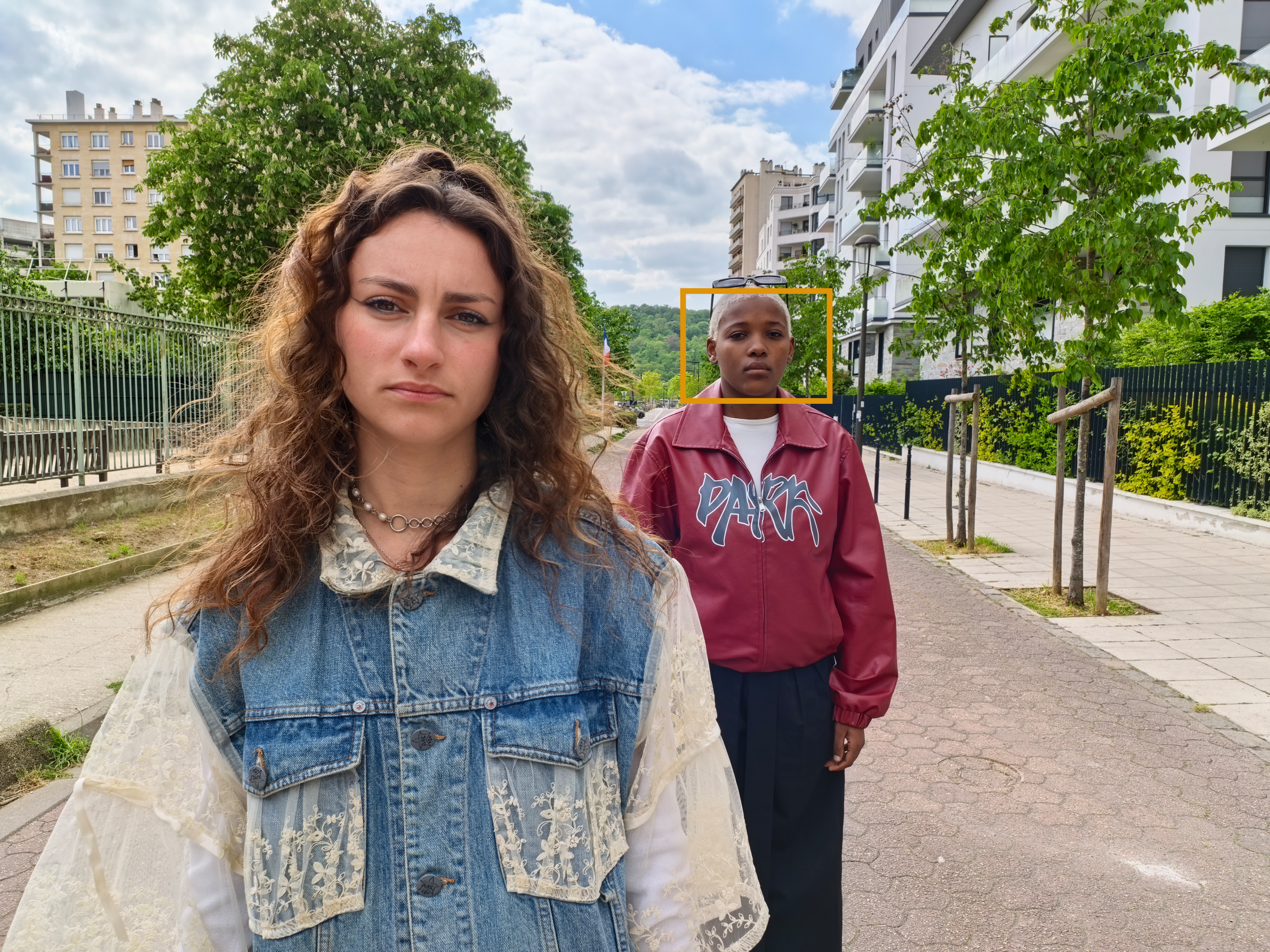
Huawei Pura 80 Ultra – consistent sharpness on face in group portrait

Background subject slightly out of focus

Consistent sharpness on face in group portraits
More reliable Autofocus
Variable aperture can also contribute to autofocus robustness.
By stopping down the aperture, the camera increases depth of field, making focus more tolerant to small errors. This can improve focus consistency, particularly in complex scenes or when several subjects are positioned at different distances.
For example, on the Huawei Pura 80 Ultra, the combination of its optical system and image-processing pipeline contributes to strong autofocus performance, making it one of the device’s key strengths. The smartphone achieves one of the highest DXOMARK scores for autofocus sharpness and timing.

Huawei Pura 80 Ultra

OPPO Find X8 Ultra

vivo X200 Ultra
Autofocus tests concentrate on focus accuracy, focus repeatability, shooting time delay, and depth of field. Shooting delay is the difference between the time the user presses the capture button and the time the image is actually taken. It includes focusing speed and the capability of the device to capture images at the right time, what is called ‘zero shutter lag’ capability. Even if a shallow depth of field can be pleasant for a single subject portrait or close-up shot, it can also be a problem in some specific conditions such as group portraits; Both situations are tested. Focus accuracy is also evaluated in all the real-life images taken, from infinity to close-up objects and in low light to outdoor conditions.
Improved Sharpness and Exposure Control in Low Light Conditions
Variable aperture also gives the camera greater flexibility when adapting to different lighting conditions.
In bright scenes, a narrower aperture can help control the amount of light reaching the sensor while increasing depth of field and reducing optical aberrations and improving edge sharpness.
In low light, opening the aperture allows more light to reach the sensor, helping the camera maintain image quality without relying as heavily on aggressive amplification or very long exposure times.
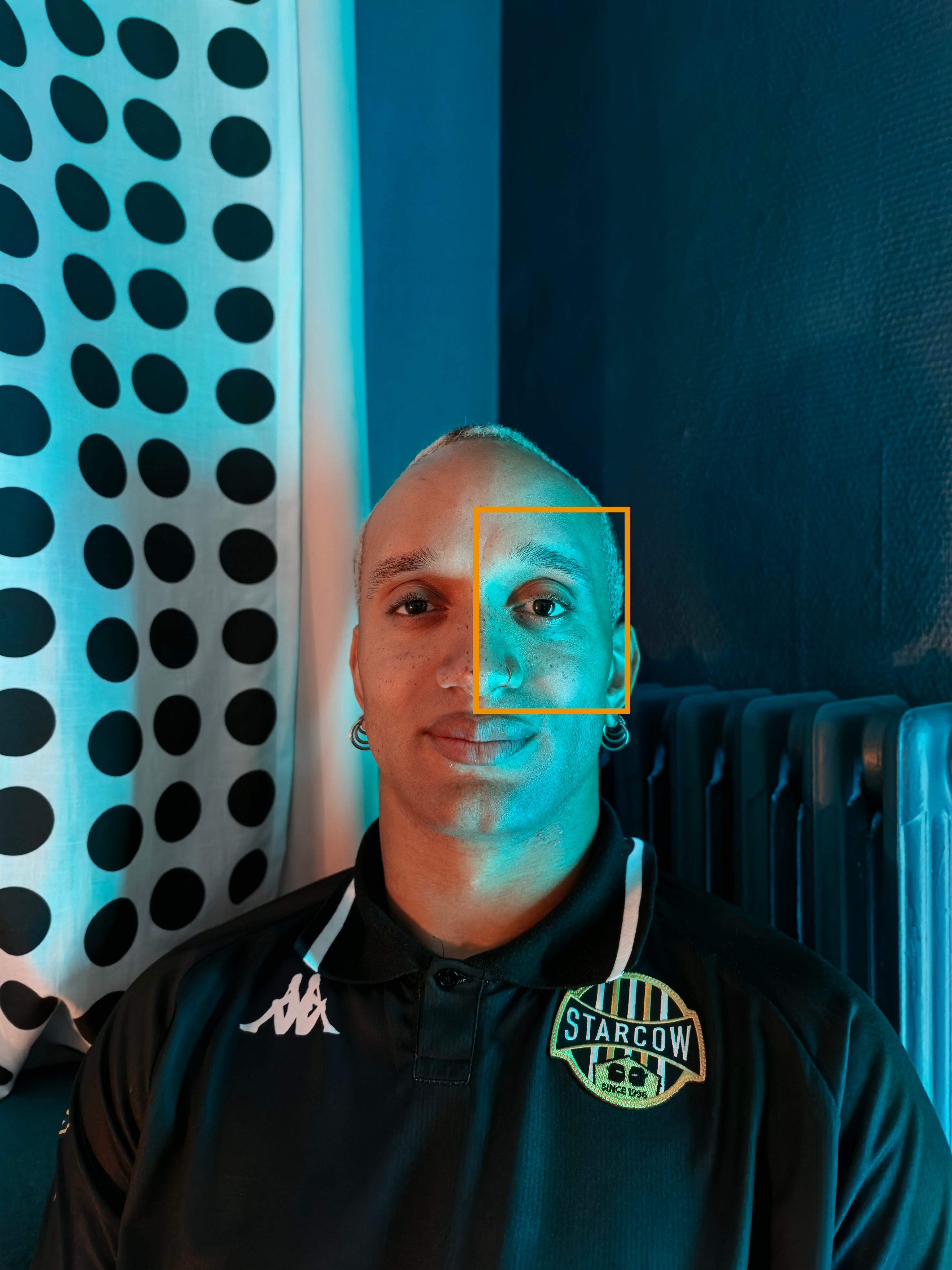
Huawei Pura 80 Ultra
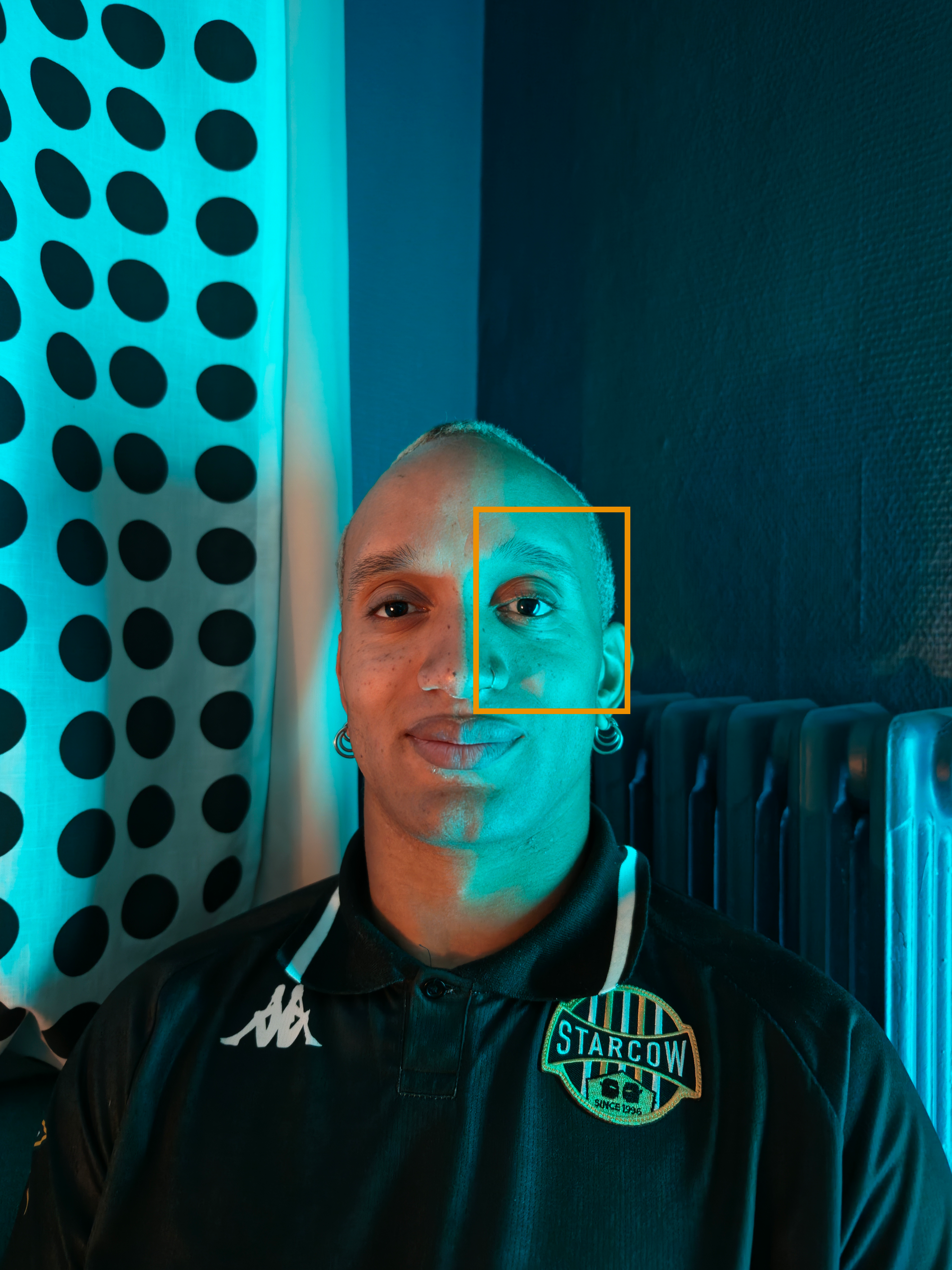
OPPO Find X8 Ultra
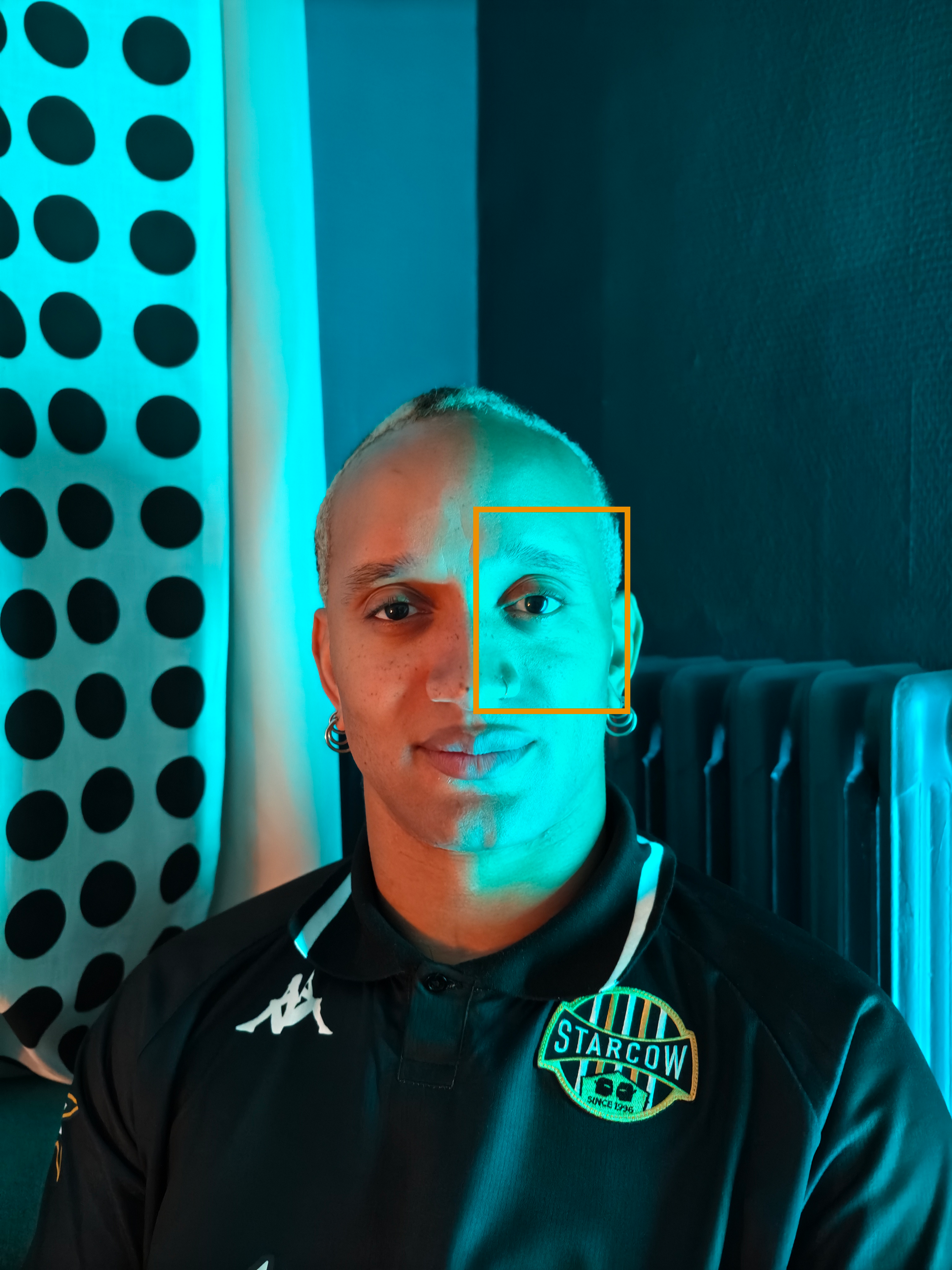
vivo X200 Ultra
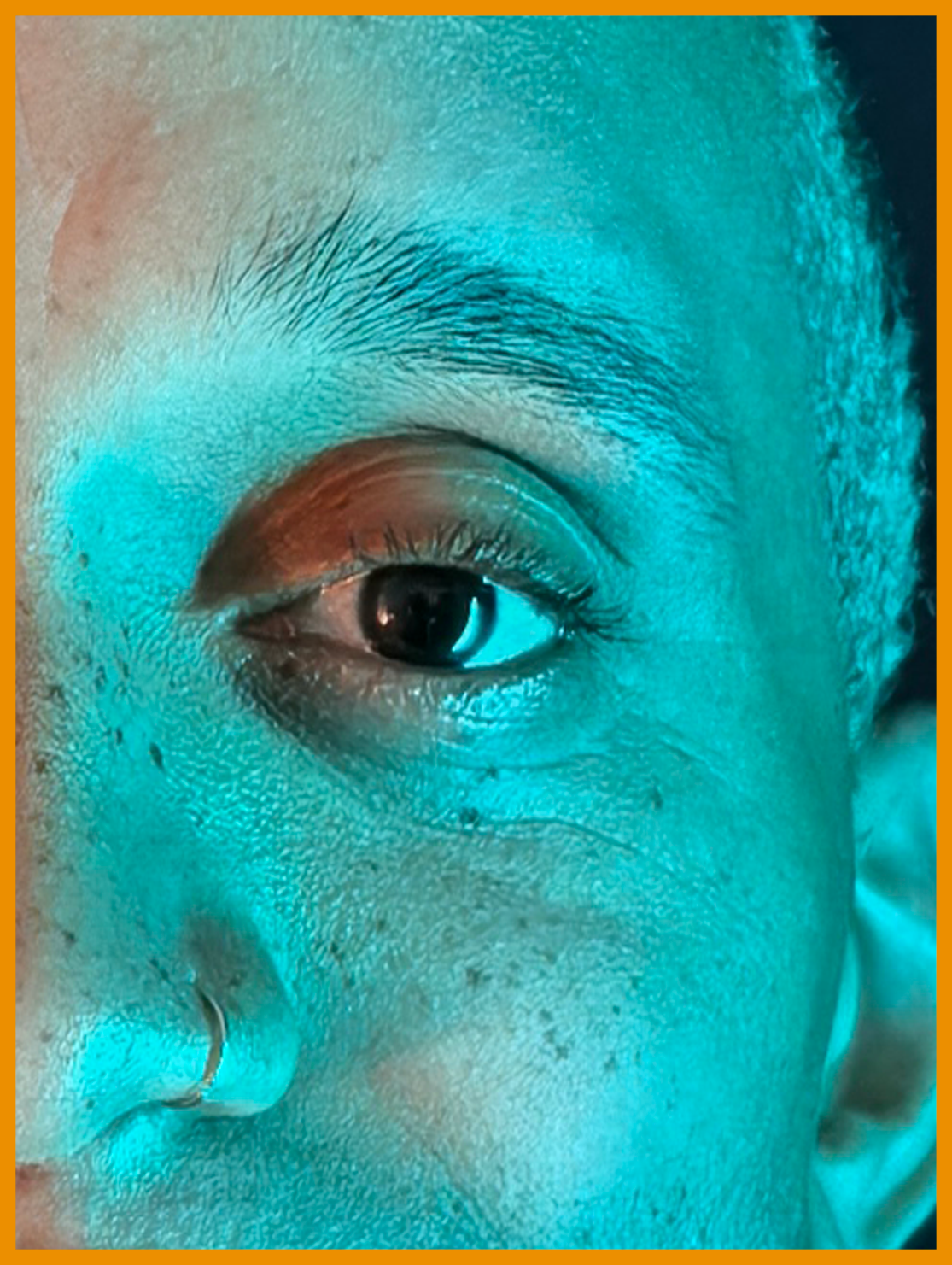
Excellent level of details even in dimmer conditions
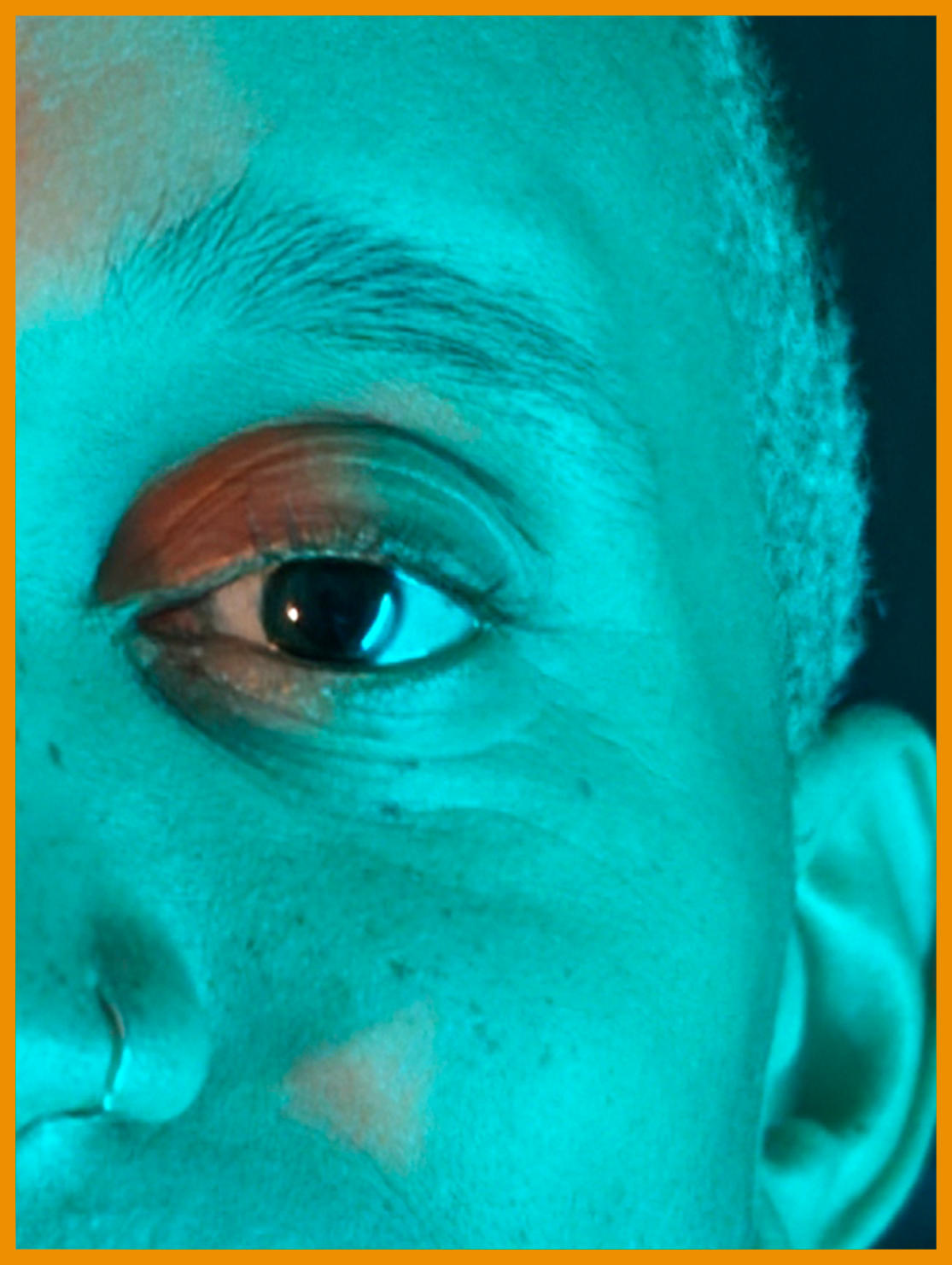
Lower level of details

Lower level of details
Mitigating ambient Flickering in Video
Variable aperture can also play an interesting role in video recording under artificial lighting.
Modern smartphones often use very short exposure times when recording video, especially in bright scenes. While this helps avoid motion blur and improves sharpness, it interacts poorly with how many artificial LED lights operate, since many LED lights don’t emit a perfectly steady beam. Instead, they are powered by electronics that rapidly switch the light on and off, known as pulse-width modulation or mains-frequency cycling. The result is that the camera captures the light at the wrong moment, leading to visible flicker or banding in the video, as shown in the example below.
A variable aperture can help resolve this issue closing the aperture, which reduces the light intake and then keeping a longer exposure time that better averages the LED flicker. The result means flicker is greatly reduced or disappears completely. The variable aperture also brings additional benefits to the video quality across lighting conditions by not relying on extreme shutter speeds and helps maintain cinematic frame-rate rules (e.g., 180° shutter: 1/60s for 30 fps).
Hardware Alone is Not Enough
While variable aperture offers clear optical advantages, it does not automatically guarantee better image quality. The final result depends on the interaction between the optical system and the complete imaging pipeline: aperture selection, exposure control, autofocus, HDR processing, noise reduction, sharpening, and computational photography algorithms all play a role.
The Xiaomi 13 Ultra for example, equipped with variable aperture, illustrates how sophisticated hardware needs to be complemented by appropriate software tuning to fully exploit its capabilities.
The camera needs to determine when to open or close the aperture, and how to adapt the rest of the imaging pipeline accordingly. An aperture setting that is beneficial for depth of field may not be optimal for noise or exposure. A setting that helps mitigate flicker may influence motion rendering. And a change in aperture can also affect autofocus behavior and the overall image rendering.
This is why evaluating variable aperture cannot be reduced to measuring the hardware itself.
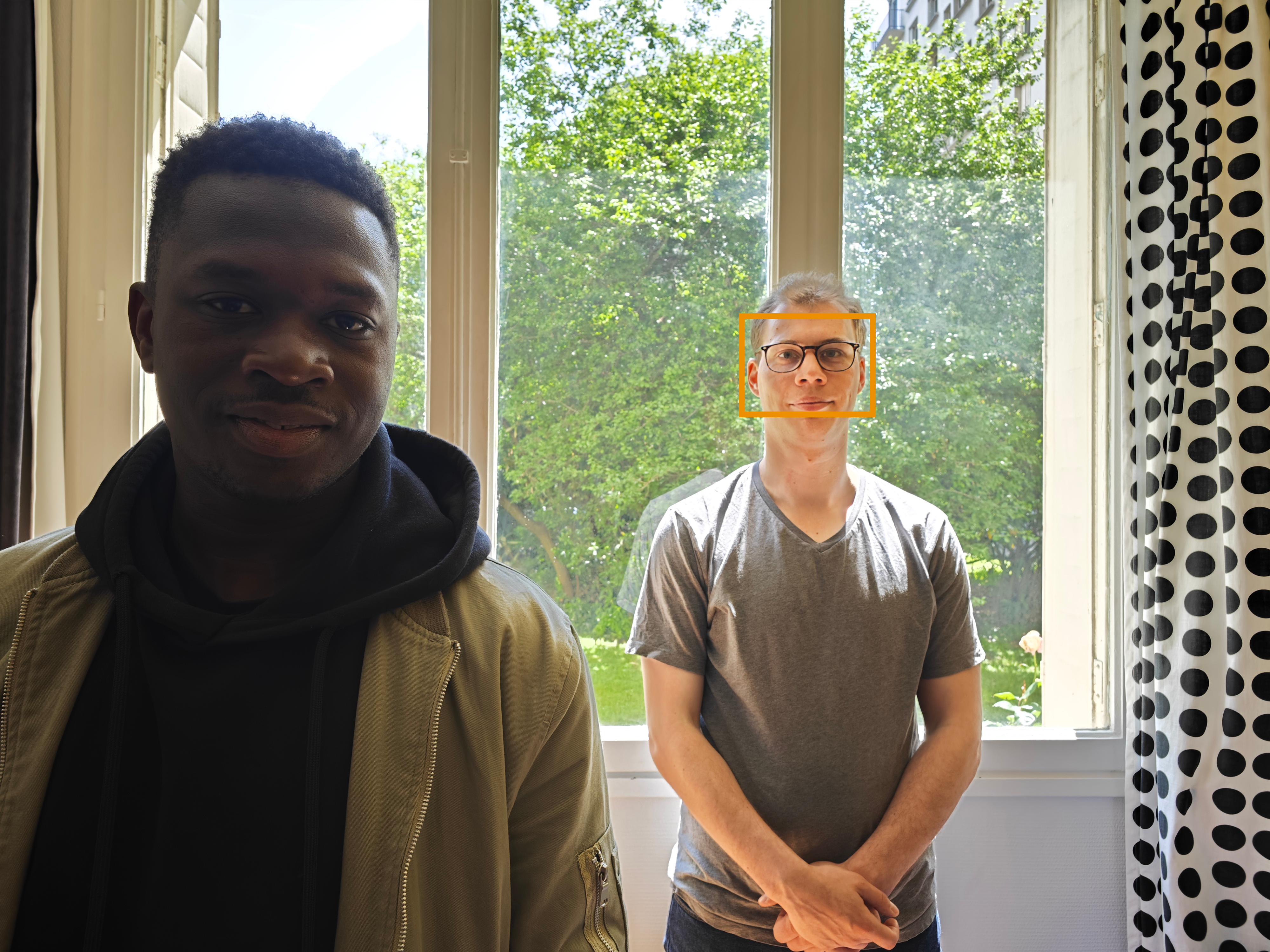
Xiaomi 13 Ultra – f/4.0
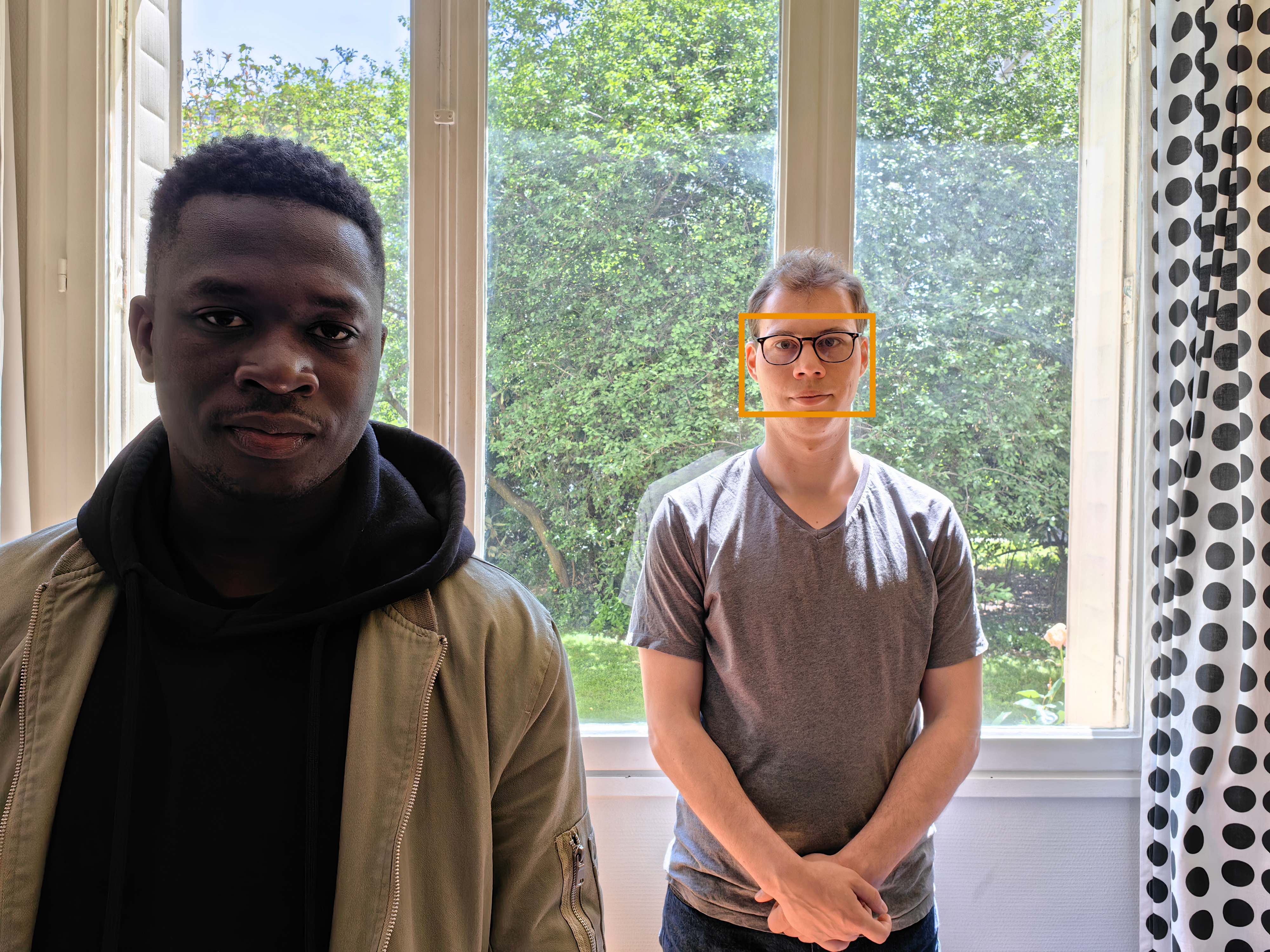
Huawei Pura 60 Pro – f/4.0

Background subject slightly out of focus

Background subject in focus
What are the trade offs?
If variable aperture offers so many potential benefits, why isn’t it present on every flagship smartphone?
The technology also comes with several constraints:
- Higher cost, due to added mechanical and optical components
- Increased complexity, impacting manufacturing and reliability
- Additional space requirements inside the device
These factors limit adoption to high-end smartphones, but we may begin to see more flagships adopt this technology in the next generation given the image quality benefits.
DXOMARK lab solutions tailored to variable Aperture devices
Variable aperture is a good illustration of a broader challenge facing smartphone manufacturers today. As imaging systems become increasingly sophisticated, new hardware capabilities can introduce new behaviors, new use cases and new image quality trade-offs. Testing remains essential, but it also needs to evolve alongside the technology being tested.
At DXOMARK, our approach combines established image quality methodologies with dedicated laboratory setups designed to isolate and measure the specific benefits and limitations of emerging technologies. For variable aperture, this means testing the system in the conditions where its optical advantages should make the greatest difference.
Group portrait lab setup for depth of field testing
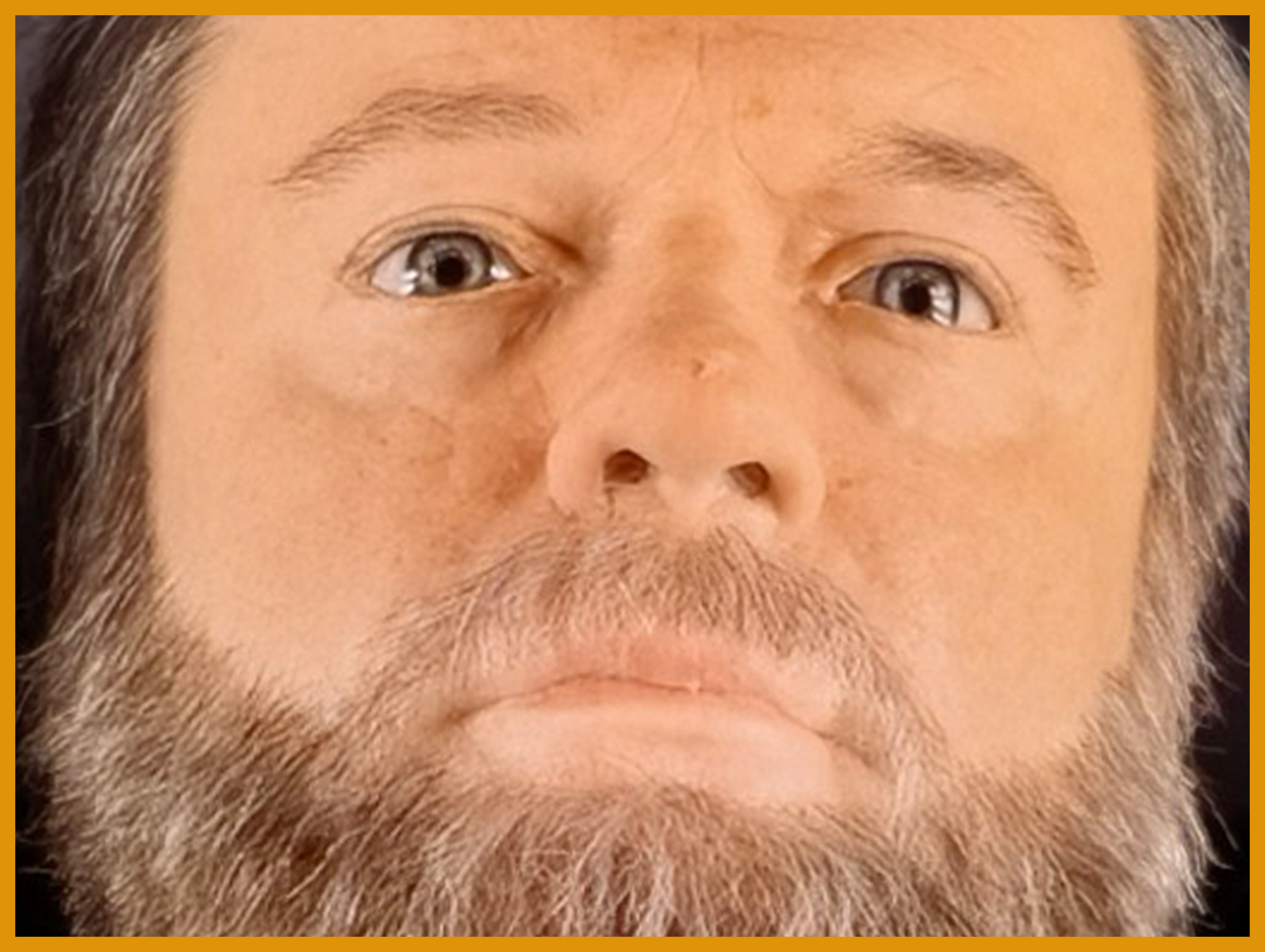
To evaluate how effectively a variable aperture system manages this situation, DXOMARK can recreate realistic group portrait scenarios in the laboratory, with subjects positioned at different distances from the camera.
By measuring sharpness and facial detail preservation across the different focal planes, we can quantify how effectively the camera maintains focus across the scene.
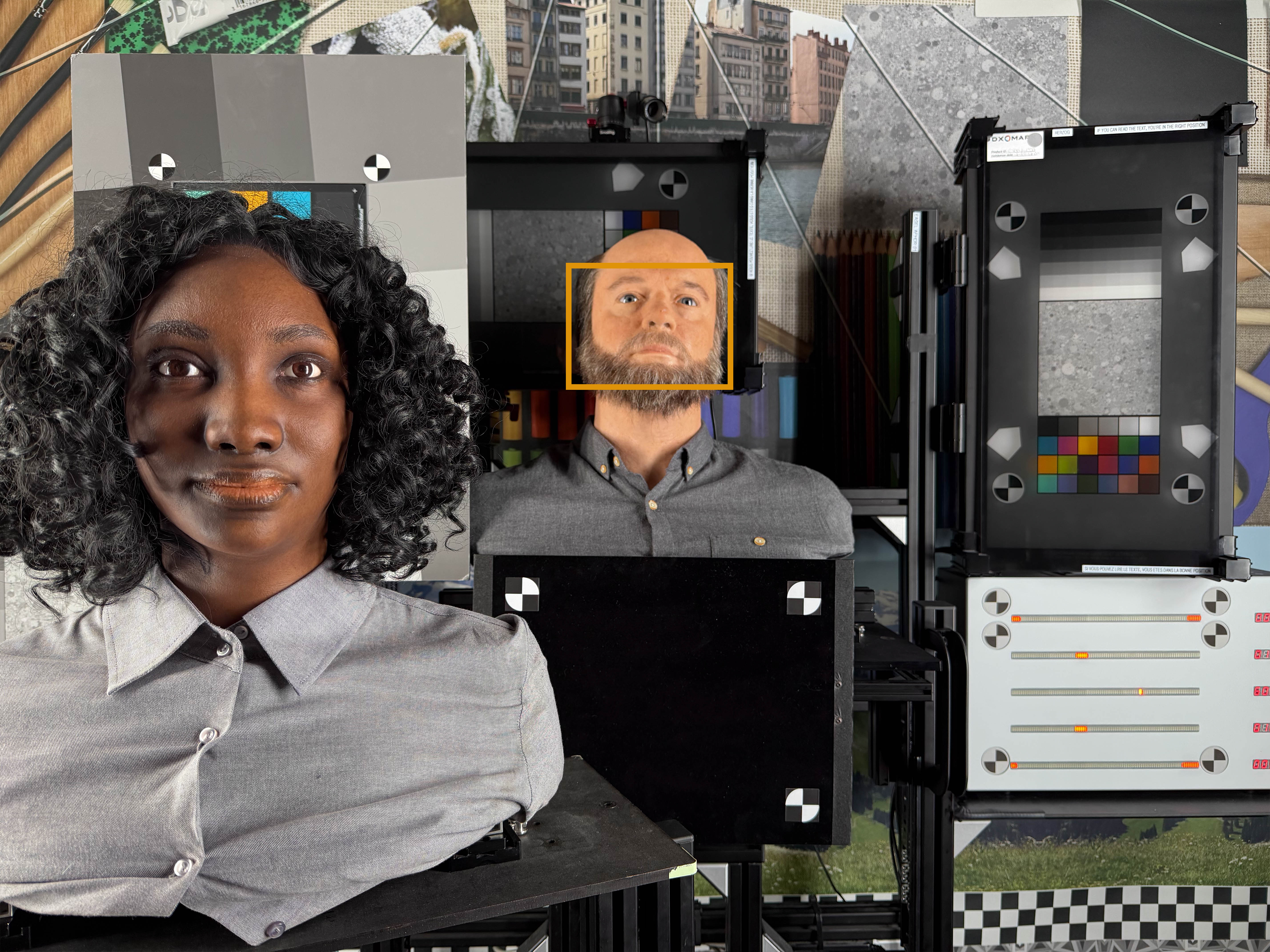
Apple iPhone17 Pro equiped with fixed aperture
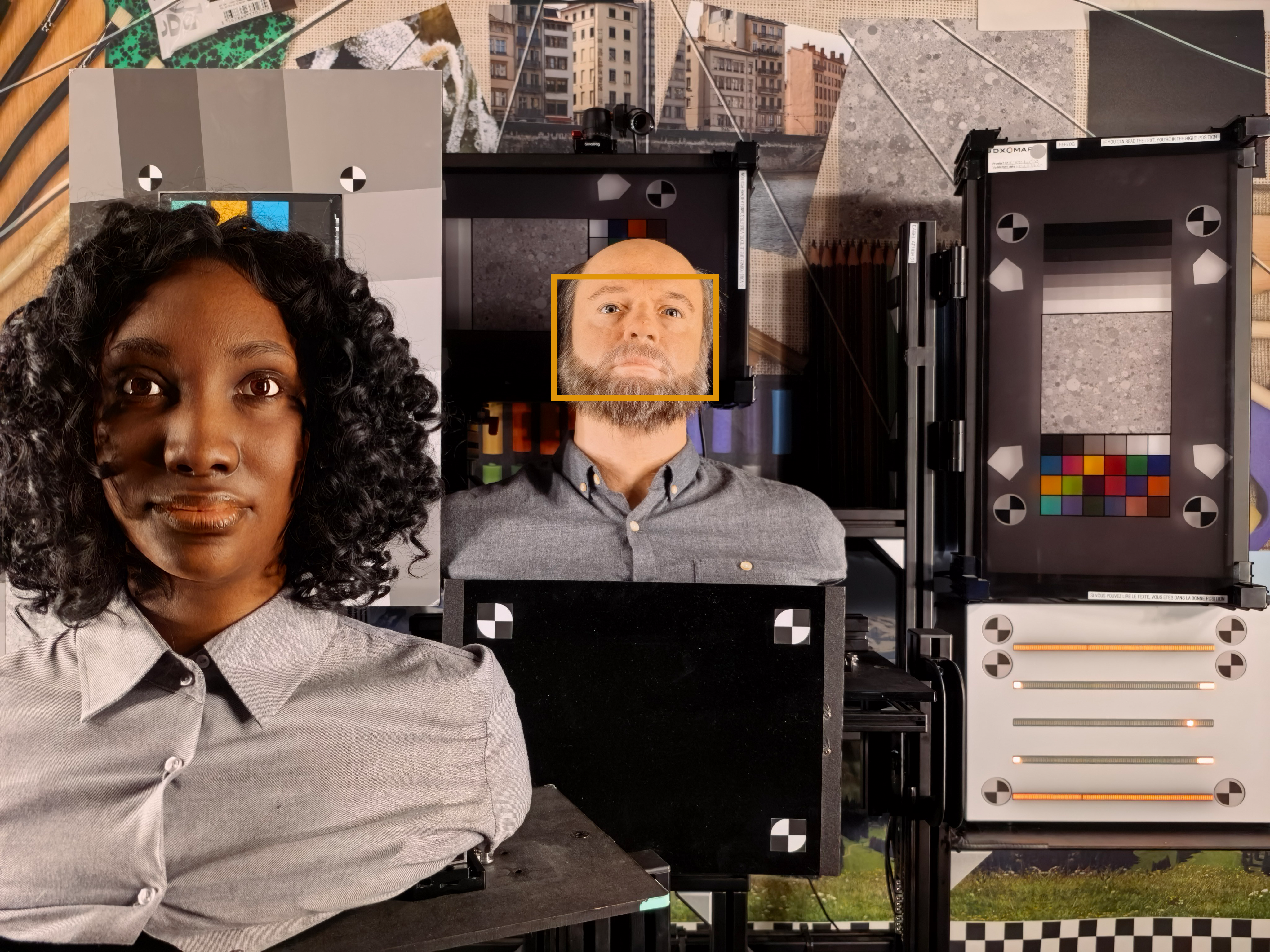
Huawei Pura 80 Ultra equiped with variable aperture

Recreating extreme low-light conditions with MLS

Extremely low light is another scenario where variable aperture can be beneficial with larger light collection capacity. Our Multispectral Lighting System (MLS) can achieve extreme low– light environments with precision, automation, and comprehensive control with ease.
This makes it possible to evaluate how different aperture settings influence exposure, noise, texture, and color rendering under controlled conditions. The same controlled environment can also be used to investigate how the camera’s exposure strategy interacts with the variable aperture system.
Discover the Multispectral Lighting System (MLS)Testing Flicker under controlled LED lighting
Variable aperture can also be evaluated under artificial lighting conditions where flickering or banding may occur.
DXOMARK’s MLS can independently control multiple lighting panels, allowing us to recreate mixed and dynamic lighting environments and precisely control the conditions under which flicker occurs.
This enables us to compare how different camera systems react to the same lighting environment and determine whether variable aperture effectively contributes to reducing visible flicker.
Such controlled testing provides manufacturers with repeatable and measurable insights into the effectiveness of their hardware and software implementation.
The benefits of variable aperture can span depth of field, autofocus robustness, exposure control, low-light performance and video flicker. But these benefits are highly dependent on implementation and tuning.
This is where objective image quality evaluation becomes particularly valuable.
By combining controlled laboratory measurements, realistic real-world scenarios and perceptual analysis, DXOMARK can help manufacturers:
- Identify the actual image quality benefits of new hardware
- Quantify performance improvements across different use cases
- Understand hardware/software trade-offs
- Benchmark competing implementations
- Optimize camera and ISP tuning
- Validate whether new technologies deliver meaningful improvements to the end-user experience
DXOMARK combines more than 20 years of image quality expertise with dedicated laboratory equipment, objective measurements and real-world perceptual evaluation.
Our testing solutions can be adapted to emerging technologies and new use cases, helping manufacturers move from technical innovation to measurable image quality performance.
Contact us to know more about our solutions